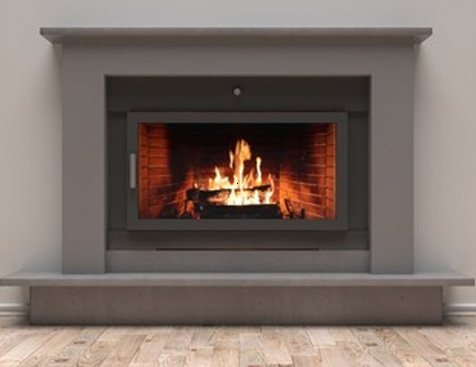
Gas Fireplace Installations
Gas Powered Heating
Gas fireplace installations involve setting up a gas-powered heating appliance designed to mimic the appearance and warmth of a traditional wood-burning fireplace. Here’s an overview of the installation process:
1. Selection of Fireplace Type: Choose the type of gas fireplace that best suits your needs and space. Options include built-in, freestanding, insert, or log set models. Consider factors such as size, heat output, efficiency, and aesthetics.
2. Location: Determine the ideal location for the gas fireplace. This could be in an existing fireplace cavity, a wall recess, or a freestanding location within the room. Ensure there is sufficient clearance around the fireplace to comply with manufacturer guidelines and local building codes.
3. Gas Supply: Ensure there is a gas supply available near the chosen location. If not, you’ll need to have a qualified gas technician install a gas line to the fireplace. This involves connecting the gas line to the main gas supply and routing it to the fireplace location while adhering to safety regulations.


4. Venting: Decide on the type of venting system for your gas fireplace. Options include direct vent, vent-free, or natural vent configurations. Direct vent systems are the most common and involve running a vent pipe through an exterior wall or roof to expel combustion gases.
5. Installation: Follow the manufacturer’s instructions and local building codes to install the gas fireplace. This typically involves assembling the fireplace unit, connecting it to the gas supply line, and installing the venting system. Ensure all connections are secure and that the fireplace is level.
6. Finishing: Test the gas fireplace to ensure it is functioning properly. Check for any gas leaks, ignition issues, or other malfunctions. Adjust the flame height and heat output as needed.
7. Testing: Educate the client and others in the household about the safe operation of the gas fireplace. This includes knowing how to turn it on and off, recognizing signs of gas leaks, and understanding proper maintenance procedures.
8. Safety Precautions: Educate yourself and others in your household about the safe operation of the gas fireplace. This includes knowing how to turn it on and off, recognizing signs of gas leaks, and understanding proper maintenance procedures.
9. Regular Maintenance: Schedule annual maintenance checks with a qualified technician to ensure the continued safety and efficiency of your gas fireplace. This may involve cleaning the burner and venting system, inspecting for leaks, and replacing any worn components.
It’s crucial to hire a qualified professional for gas fireplace installations to ensure compliance with safety regulations and proper functioning of the appliance. Attempting to install a gas fireplace yourself without the necessary expertise can pose serious safety risks.
Contact Ultimate Gas Solutions for a safe and professional gas fireplace installation.